
I bought this late last year and it sat in my to read pile. My metaphorical to read pile, as it was “shelved” on the floor under a table along with a host of other books a bit too large to fit on an actual shelf. Doing a much-needed dusting under there earlier this year I pulled out the books which I was yet to read and made them a priority, and so I finally got around to reading this one.

My Eileen Soper
While the book is indeed about Eileen Soper’s garden it is, understandably, about Eileen Soper just as much.
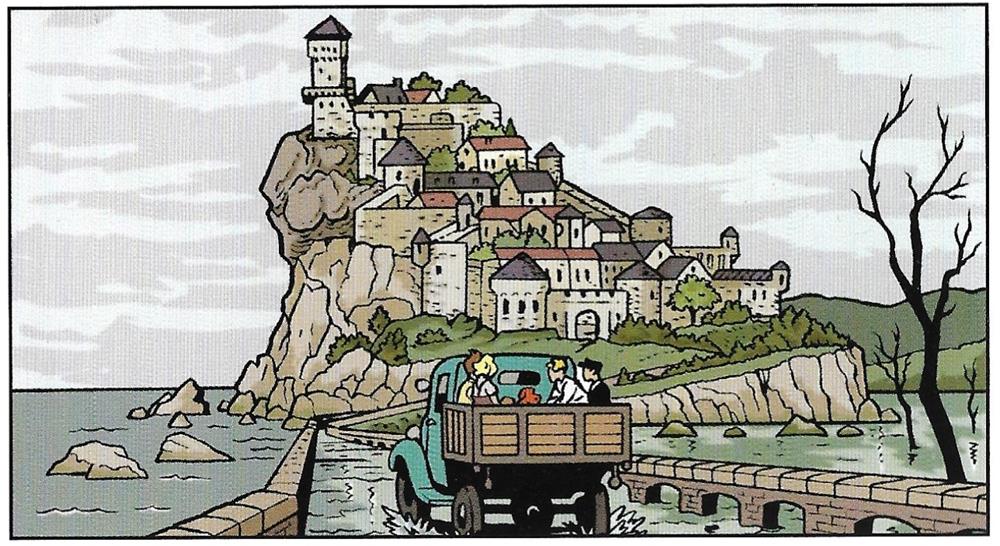
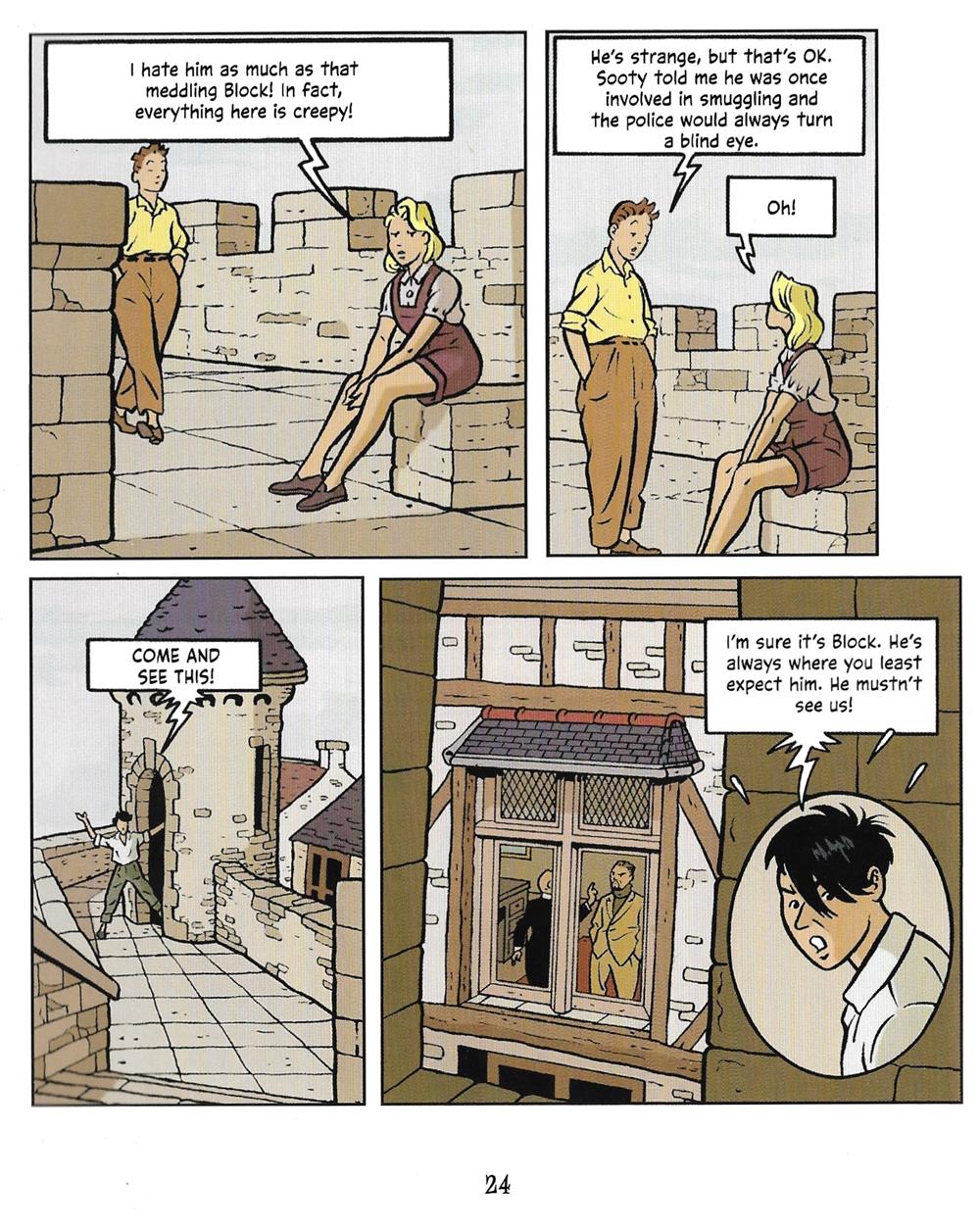
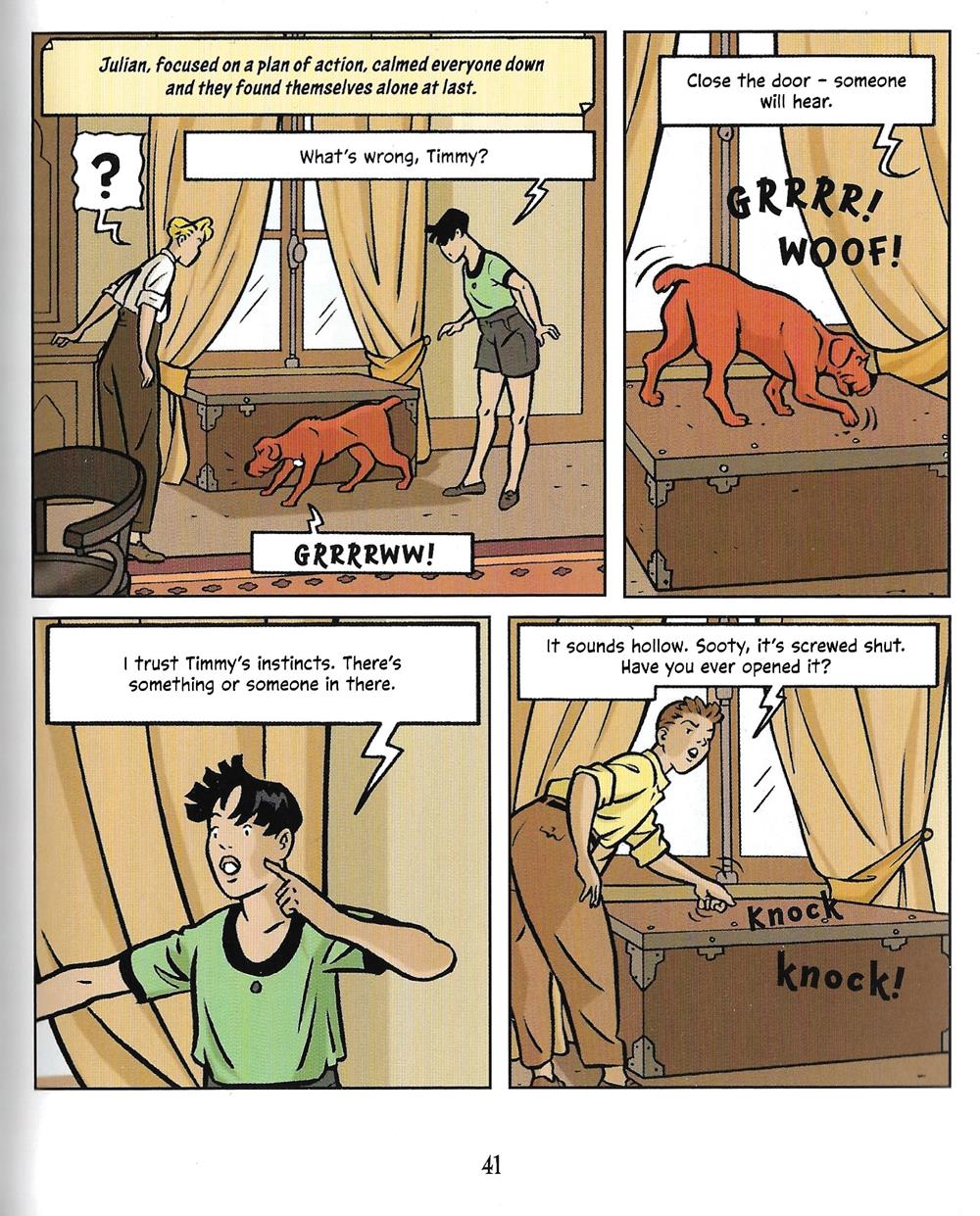
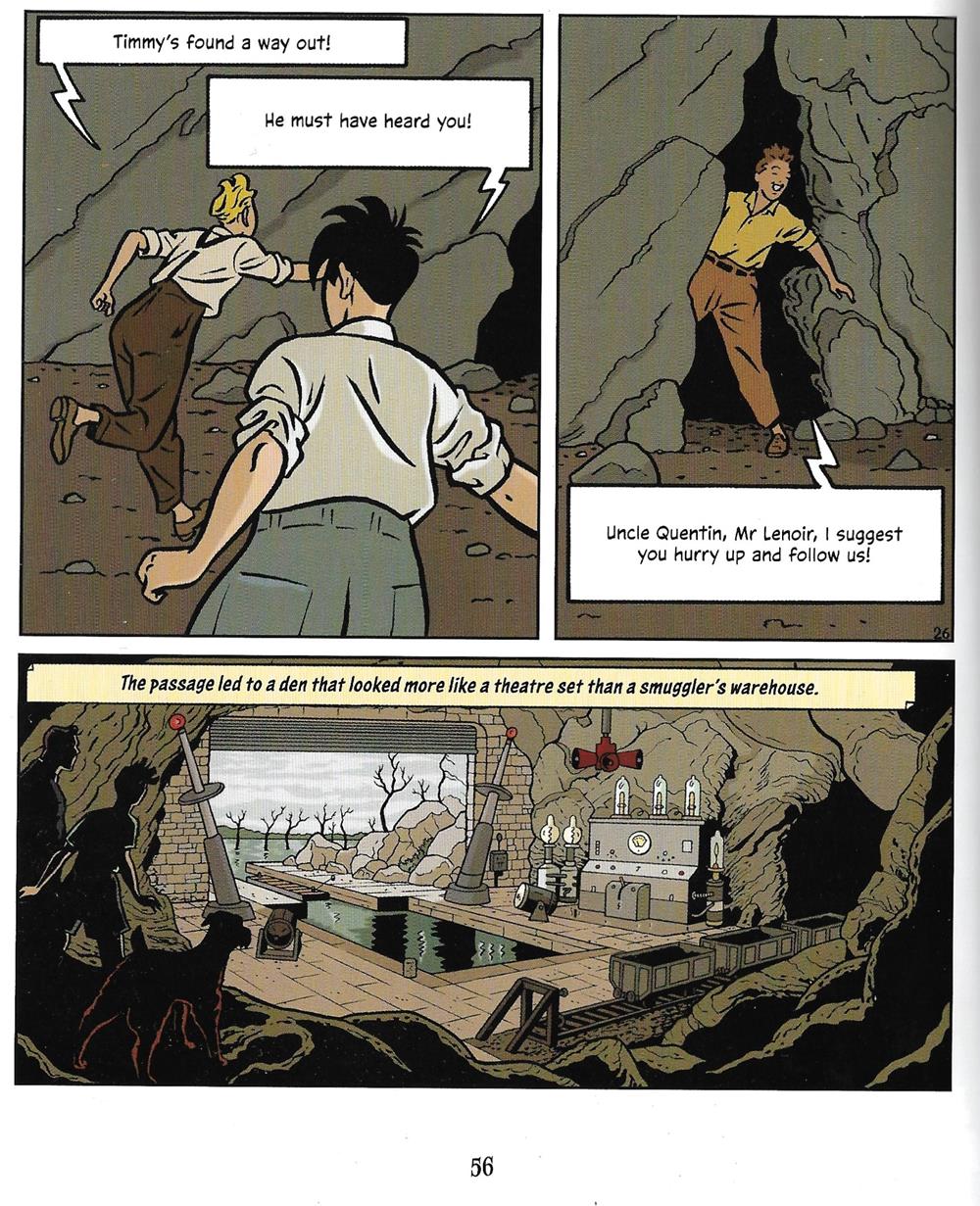
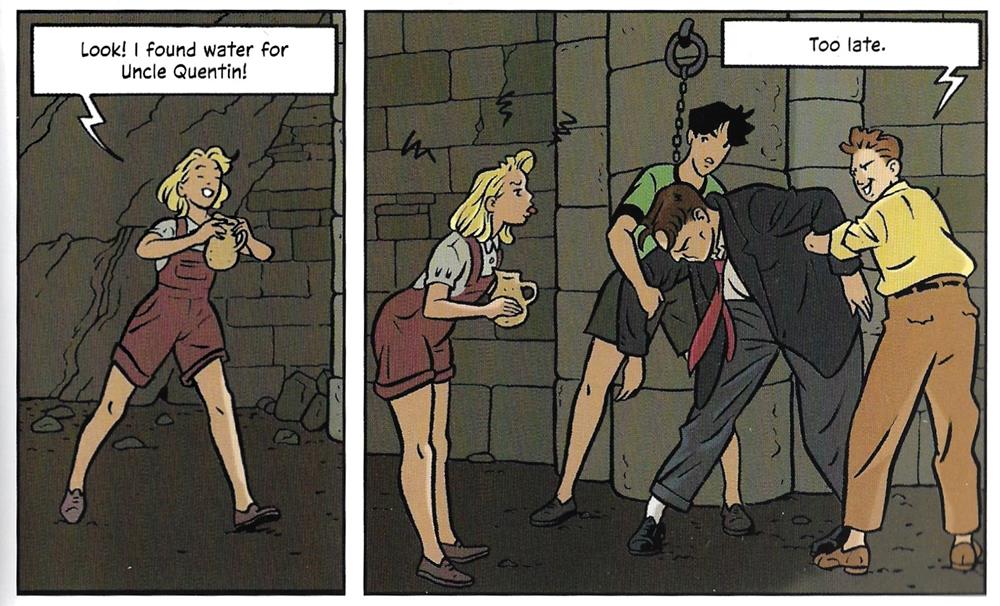
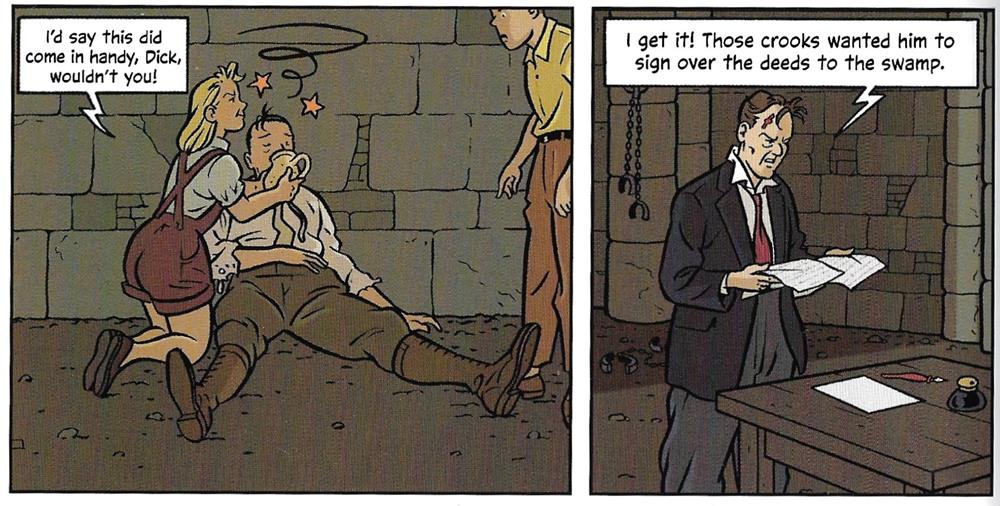
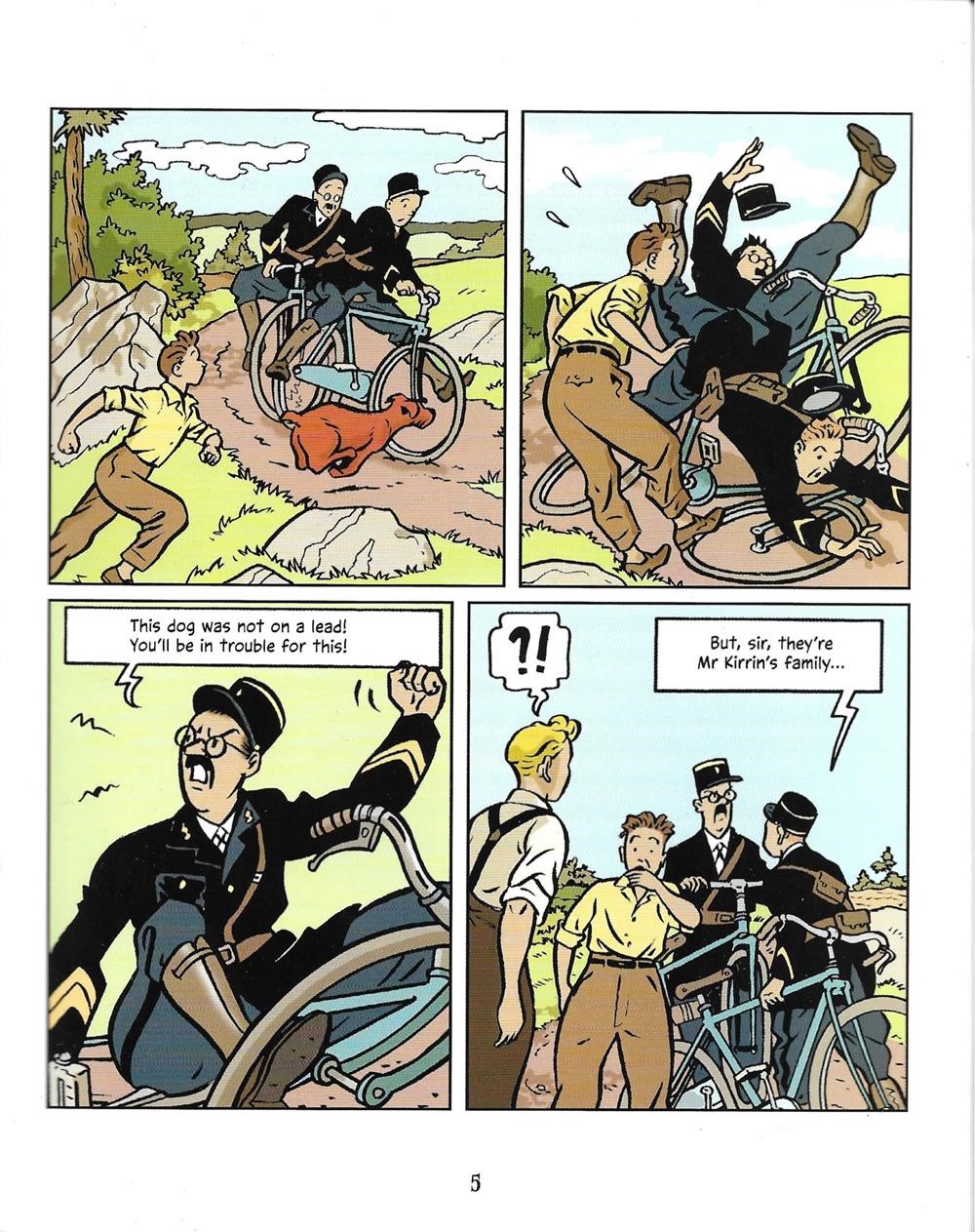
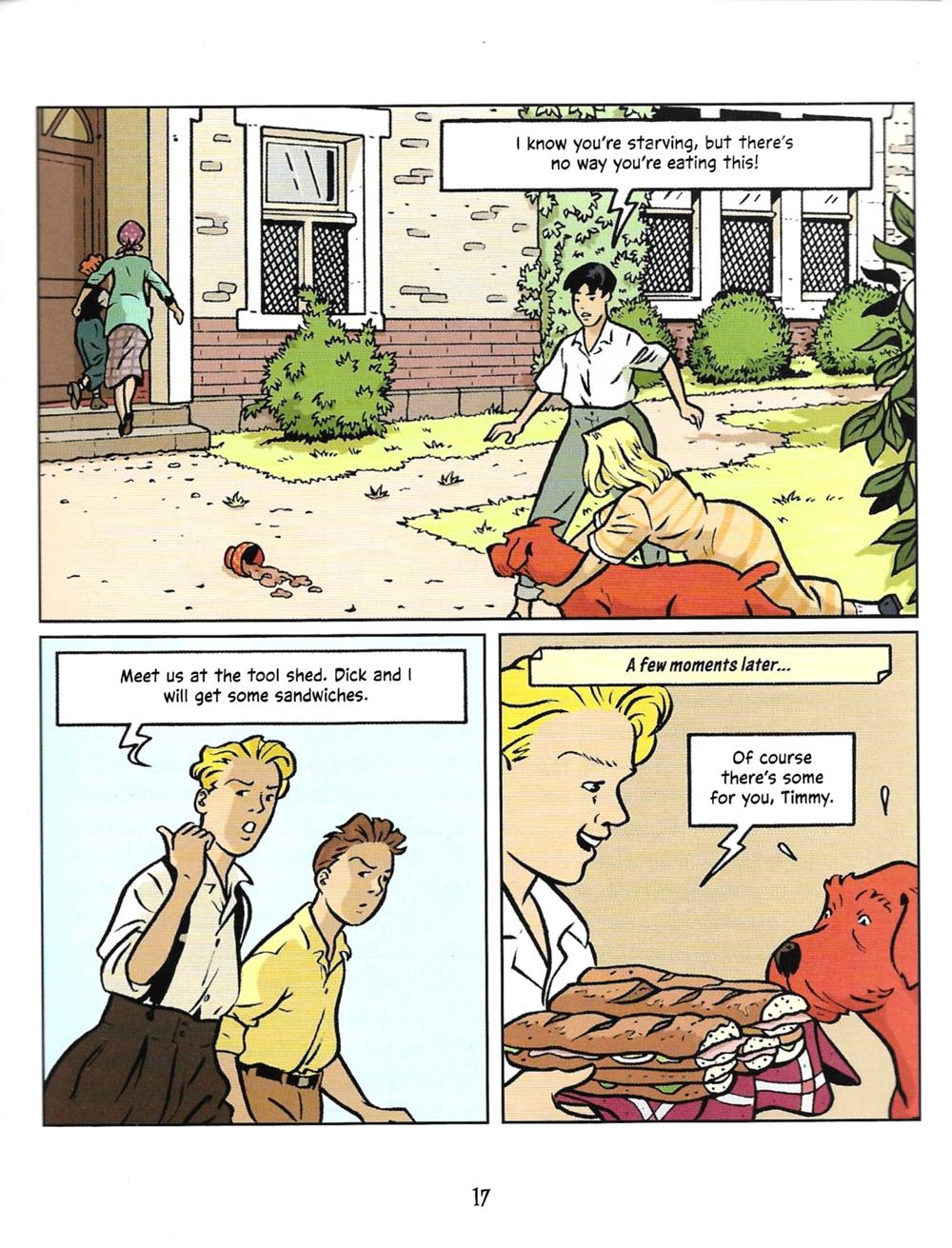
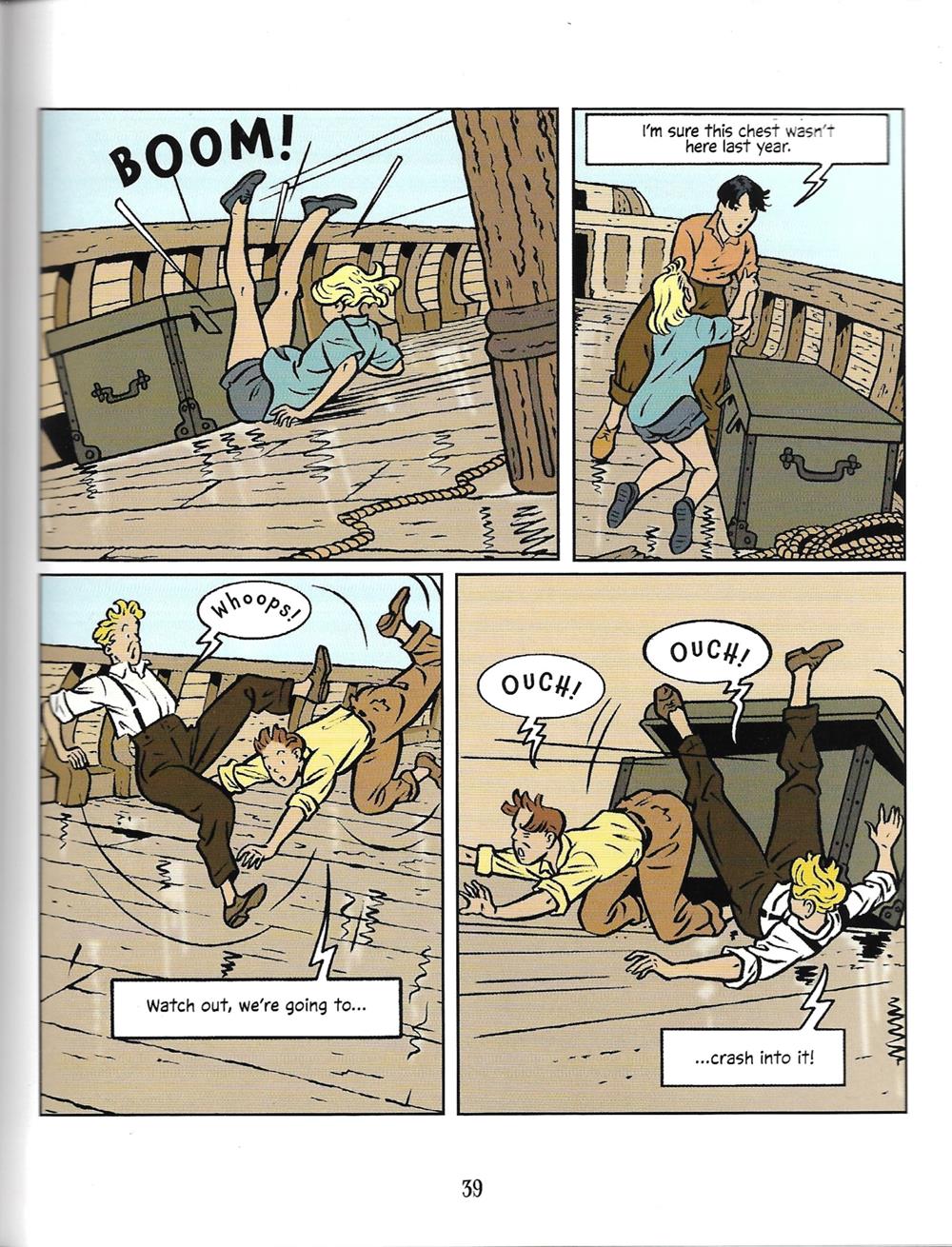
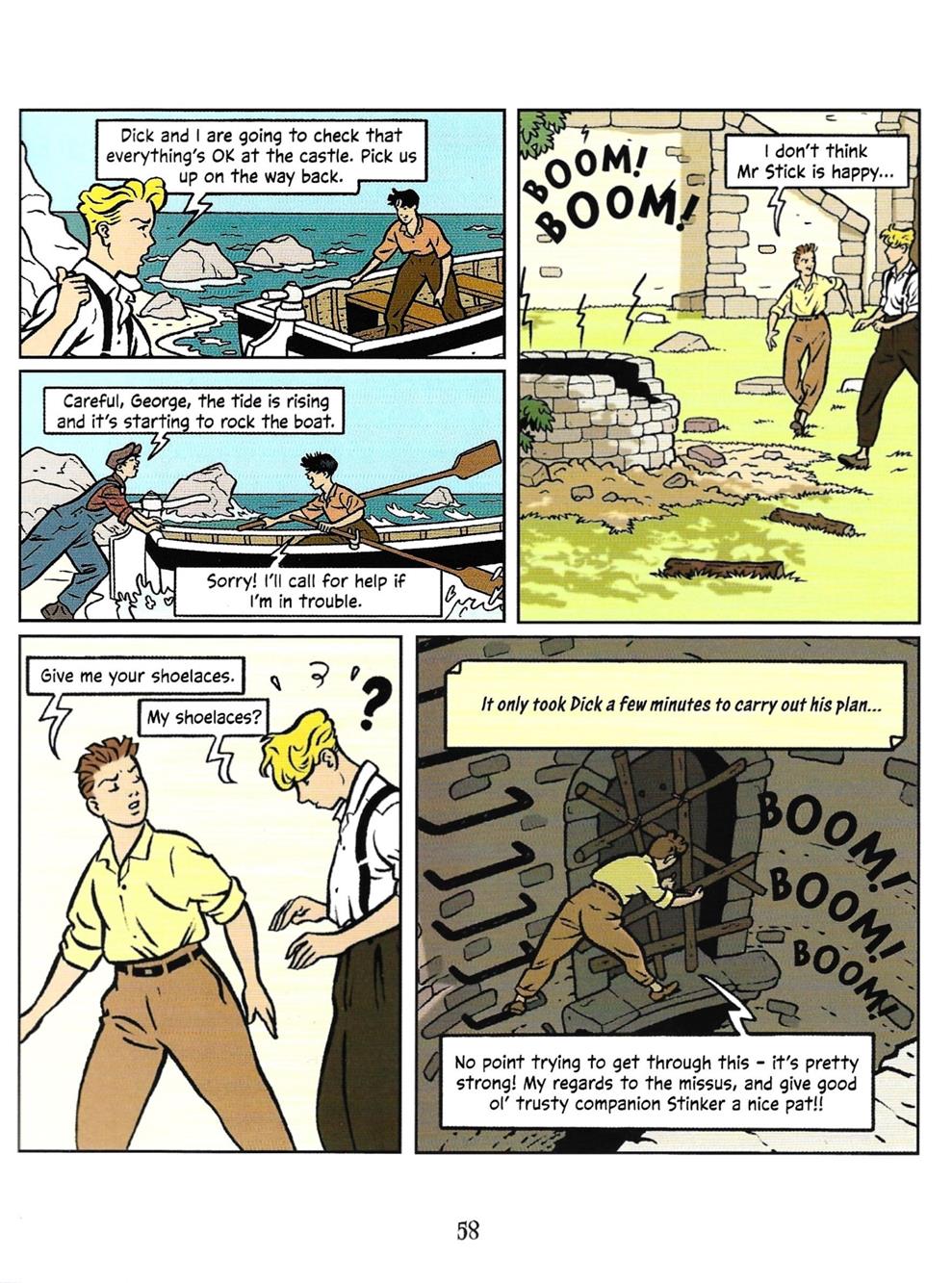
Eileen Soper has been part of my life for a number of years, probably thirty or more, ever since I started reading the Famous Five. I had a mix of Fives, some Hodder & Stoughton hardbacks (a few even had dust jackets), 70s Knight paperbacks and a few 90s paperbacks purchased to fill in the gaps. The hardbacks were illustrated by Eileen Soper. The Knights by Betty Maxey, and the 90s ones were not illustrated at all.
It didn’t, in the end, matter which editions I read, as the Five in my head were fleshed-out, coloured-in versions of what Eileen Soper drew. I associate her version of the Five so strongly with the books that my brain imagines illustrations based on the text and I am often convinced that I’ve seen a drawing of a scene that is entirely unillustrated.
That is all to say that Eileen Soper holds a special place in my heart as she was an important part of my childhood reading. And so I went into reading this book with a mild sense of trepidation. I have read the odd little thing here and there about Eileen Soper, things that perhaps didn’t paint her in the most flattering light.
The real Eileen Soper
Duff-Hart Davis doesn’t shy away from recounting the honest and sometimes unflattering depiction of Eileen Soper in this book.
His book begins with the last weeks of Soper’s life – in 1989, as she was admitted to hospital – and Soper asking a friend to check on the house, warning him to not disturb the mice that were nesting in her slippers.
That sounds rather sweet if you don’t think too much about it. The reality, not so much. The friend found the gardens wildly over-grown, plants beginning to invade the roof and windows, a door half-blocked by a fallen tree. Inside the house was full to the brim – although Hart-Davis never uses the word hoarder that’s clearly what Soper was. A room containing thousands of jam jars. Rooms full of correspondence – first drafts of letters already sent, and the replies. Receipts, financial papers dating back fifty years, drawings, paintings, notes, lists… rooms so full you could barely get inside them. Eileen and her sister unable to be discharged home as the house was uninhabitable.
A sad ending to the life of such a talented illustrator, surely. One positive, as Hart-Davis notes, was that it meant a great deal of Eileen’s work – and that of her father – was able to be retrieved.
Like with many fictional stories the book then jumps back to the very beginning and Hart-Davis starts with Eileen’s birth in 1905, and from there outlines her life and slowly reveals how and why Eileen’s story ends the way it does.
A difficult woman
I can’t believe that I just headed this section with a difficult woman as I usually hate that phrase. It’s so often used to demean a woman who is outspoken and stands up for herself. Yet in this case it seems… sort of apt. Soper definitely did say and do exactly what she wanted to, and mostly that was to steer clear of other people.
I’d seen it mentioned before that Eileen and her sister were pretty germ-phobic and this is covered in the book as it’s part of the reason that the pair of them ended up so cut off from any friends they had. They didn’t like public transport or public places and as they got older they couldn’t tolerate visitors at home. Human visitors, that is. The birds and the mice were welcome despite the inconveniences they caused. I can only assume they were not aware of the germs and illnesses that wild animals could cause!
What’s quite funny is that Soper (at least once) called Enid Blyton a menace as she demanded footling changes in drawings that were already adequate. Yet Soper, who published a handful of nature books herself, went quite wild when one of her books was printed in a shade of blue which she didn’t like, and nearly called off the entire publication.
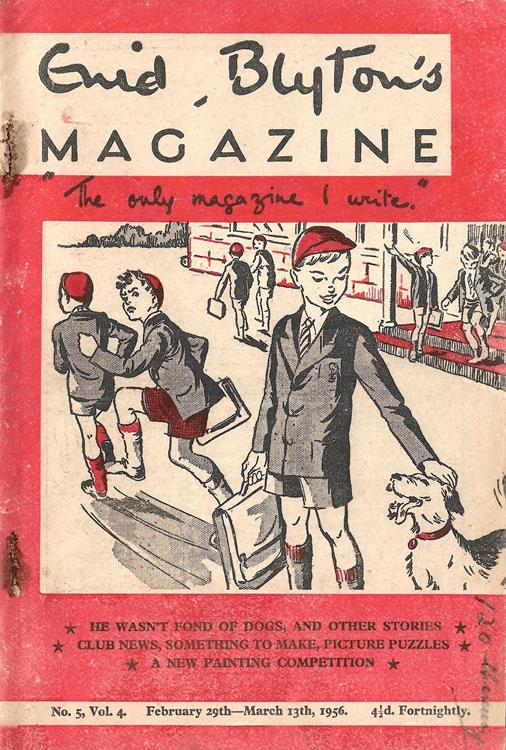
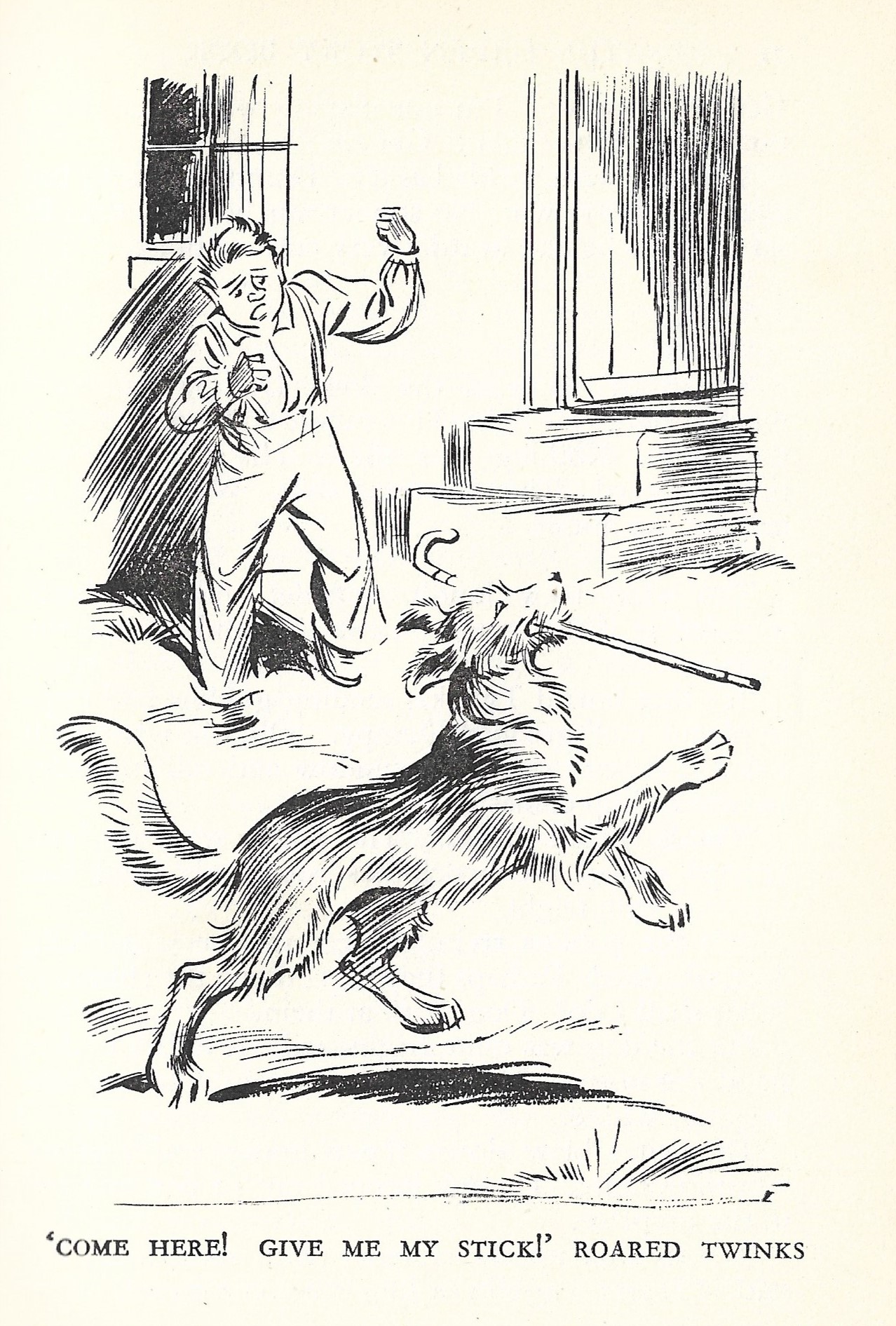
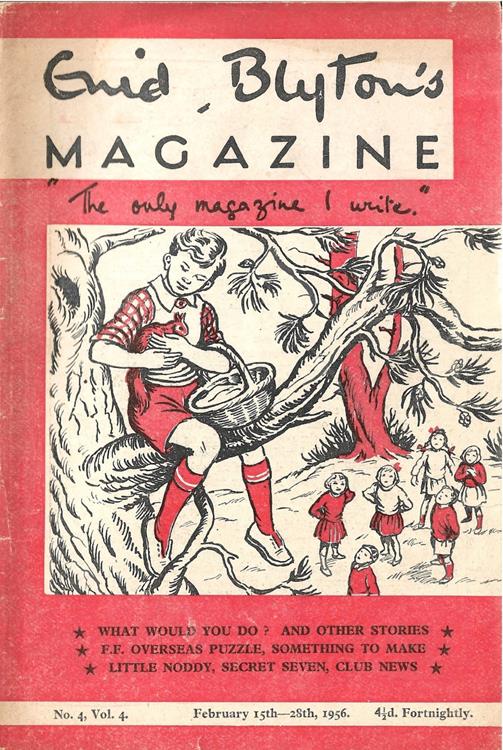
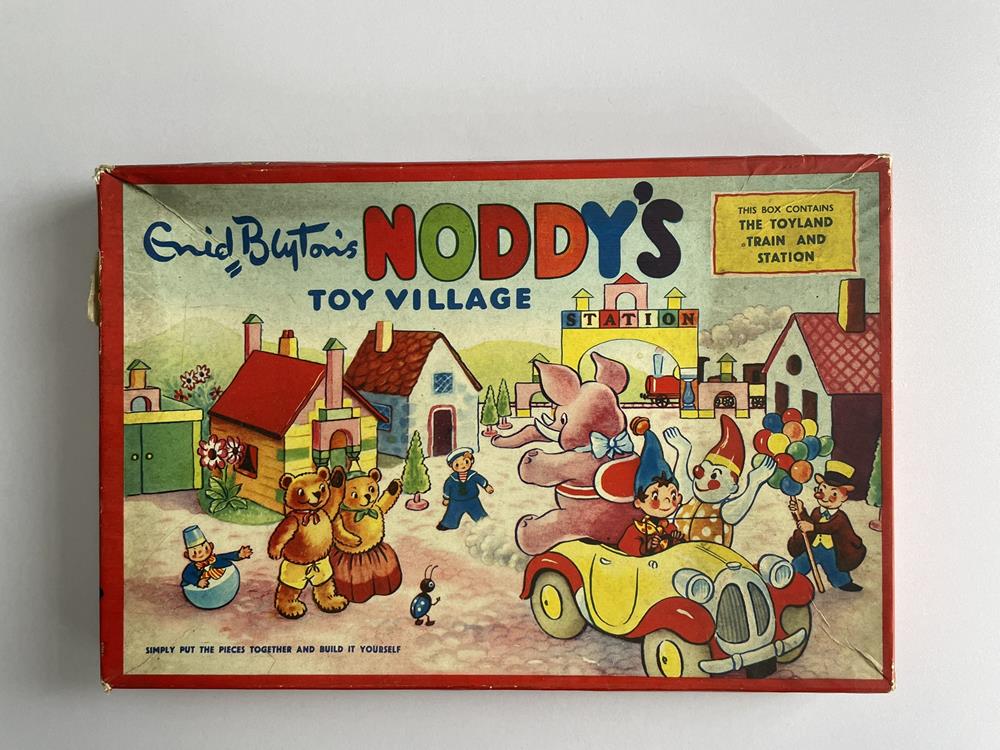
The section on Blyton is sadly, brief, though this is perhaps not surprising as Soper referred to her work for the author as hack-work and a chore. That made me feel a bit sad, actually. Her drawings are so lively and captured the characters so well, it’s a shame to think they meant nothing to her.
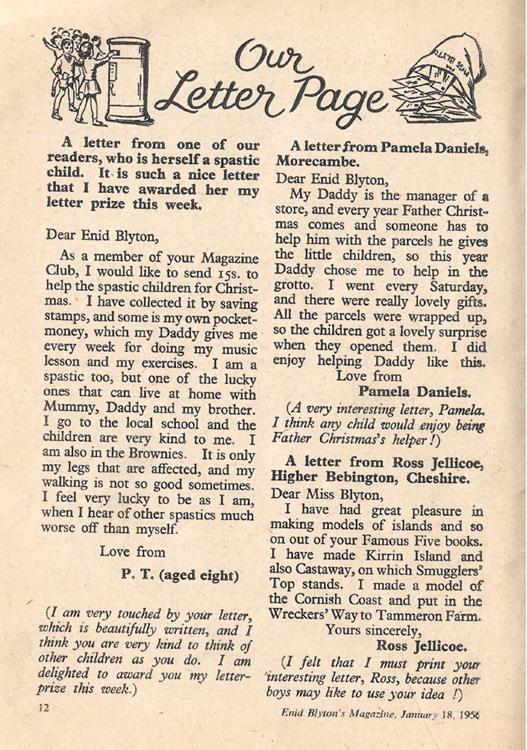
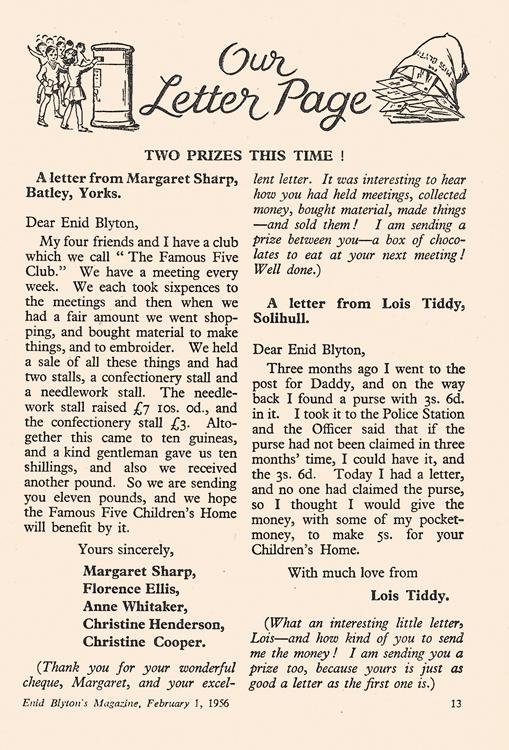
Blyton and Soper corresponded over the years, always polite, but never overly friendly. As the book remarks their letters remained formal Dear Miss Blyton… Sincerely Yours… and Dear Miss Soper, Yours…
There’s also a mistake as no matter how many times I read it this bit doesn’t make sense:
in 1944, with [Blyton writing] twenty-two new titles, Eileen illustrated no less than six of them, including her first ‘Fives’ book, Five Run Away Together.
Five Run Away Together is the third Famous Five book, and Soper illustrated them all. The sentences before that quote list Eileen’s first books for Blyton – three readers and I’ll Tell You a Story (all 1942) and then Merry Story Book, Polly Piglet and The Toys Come to Life (all 1943). It seems that list is missing Come to the Circus, and more importantly Five on a Treasure Island (1942) and Five Go Adventuring Again (1943). Easy to make mistakes with lesser-known works, but with the Fives?
Of course, this was written in 1991, meaning Hart-Davis was very unlikely to be doing his research online – there was certainly no Cave of Books to consult! The book also came out around a year after Soper’s death so perhaps was done rather quickly – though there’s no other obvious errors or signs of haste. In fact it’s a very detailed book, full of quotes directly from Eileen’s correspondances with friends, fellow nature-lovers and publishers. It is also full of illustrations
Soper’s work
As mentioned at the start of the post, Soper’s hoarding extended to her catalogue of illustrations – many done simply for pleasure. A selection of these have been reproduced in the book. I say selection – there must be hundreds. There is barely a page without a drawing of some kind – some have several. And yet this is probably still just a fraction of the amount she produced in her life.
They are all beautiful and add a great deal to the book – showing us rather than just telling us about her forays into badger-watching, the deer who began to live in the garden and the birds which visited the garden and the house.
There is also a map of Wildings, drawn by Soper herself which covers two pages at the start of the book. I referred back to this quite a few times as new details about the garden cropped up as I read.
A sad ending
And of course, having written about Eileen’s life, the book progresses on until we reach the sad state of affairs covered in the first chapter.
Wildings, once a beautiful garden and nature sanctuary, ends up as an overgrown jungle. The house – nothing special, architecturally, but a family home built by Eileen’s father, crumbling under attack from the very garden that Eileen loved so much.
What’s worse is that Eileen willed the house and grounds to the RSPB – who then sold the house and a chunk of the garden to private owners who are now in the process of demolishing the house to build another. (The full Historic England report on the house can be seen here.)
I spent ages looking into it all, trying to find out if there was still an RSPB site there. It seems that there is, but no signposts or suggestion that it’s accessible to the public. If you enter 58 Harmer Green Lane into Google Maps the pin is a little further along the road. Here, though, is a pin directly on the house. The RSPB site is presumably some of the tree-filled area to the south and west of the house.
If anyone lives around that area, do feel free to have a nosy and let me know what you can see!
Stalking aside, this is a fascinating book and well-worth a read. I’ve left it too late to get the scanner out to show you some of the illustrations from inside, but I will try to add some soon.
I also feel that I will revisit the book as I noted some parallels between Soper and Blyton that are worth exploring.































 Fiona
Fiona pippastef
 worldofblyton


